Wildflowers that feed the pollinators near you.
Elm Harvest keeps plain field notes on native Canadian wildflower species and the bees and butterflies they support. Each entry records planting windows, hardiness zones, and the upkeep a small meadow planting actually needs through the season.
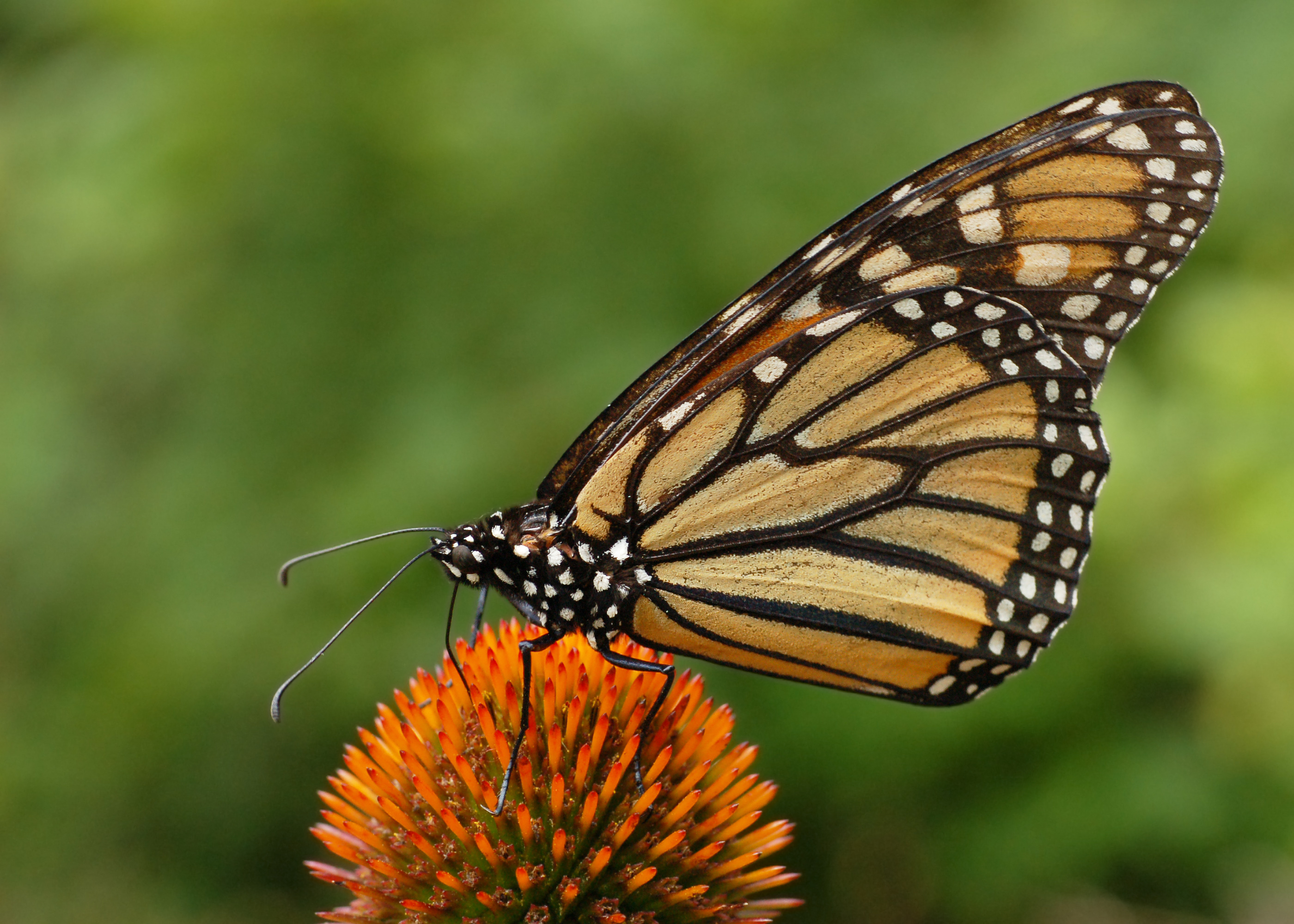
Three plants, three pollinator stories.
Start with a species that grows reliably across much of southern Canada, then match it to the pollinators it draws and the maintenance it asks for.
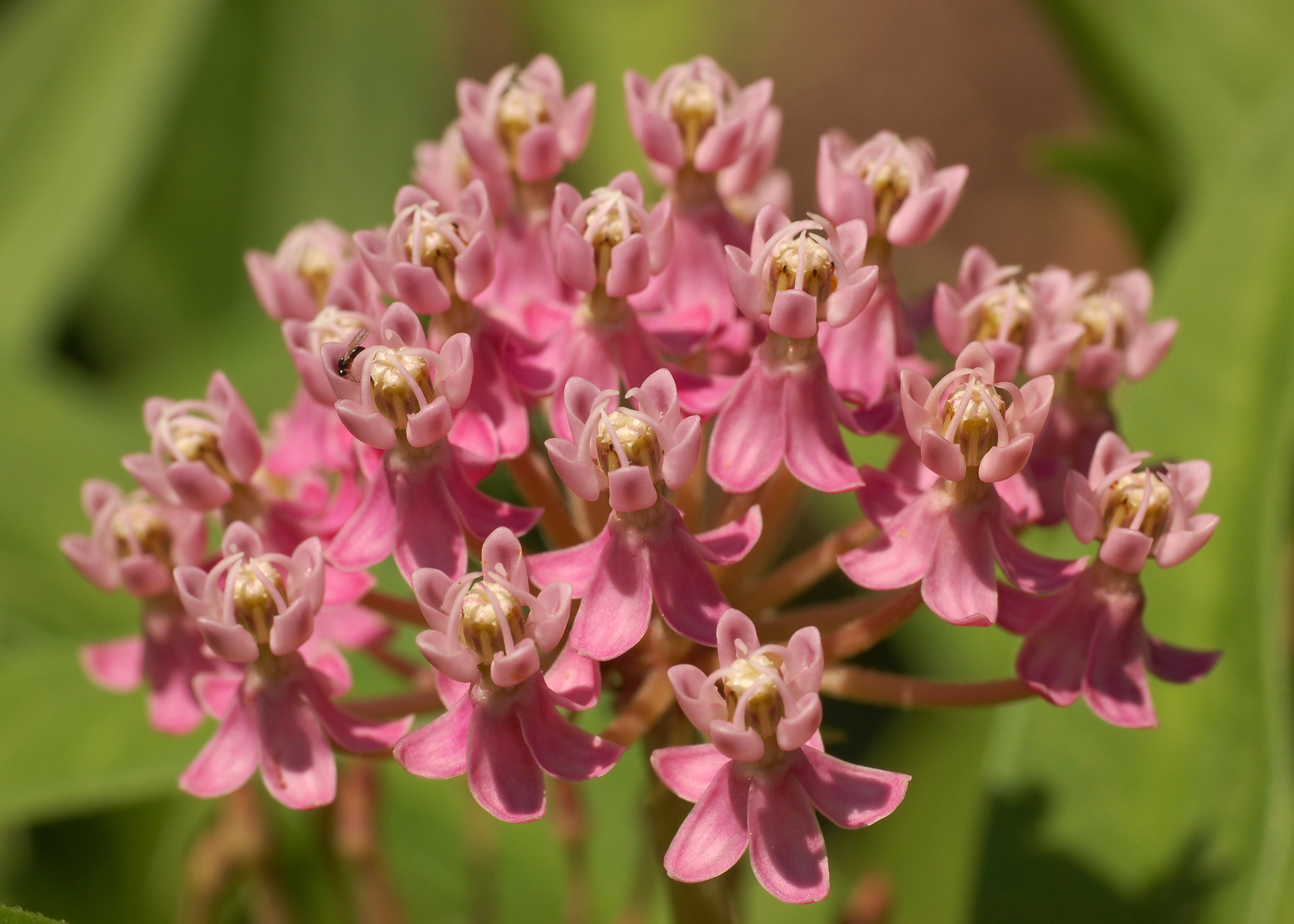 Asclepias incarnata
Milkweed & Monarchs
Why swamp milkweed is the host plant monarch caterpillars depend on, and how to site it in damp ground.
Read note → Monarda fistulosa
Wild Bergamot & Bees
A prairie mint that long-tongued bumble bees work heavily through midsummer, with notes on spacing and mildew.
Read note → Echinacea purpurea
Coneflower Planting Times
When to sow coneflower by hardiness zone, and why the seed heads are worth leaving standing into winter.
Read note →| Region | Typical zone | Last frost (approx.) |
|---|---|---|
| Southern Ontario | 5b–6b | Early–mid May |
| Prairie provinces | 2b–4a | Late May |
| Coastal British Columbia | 7b–8b | Late March–April |
| Atlantic Canada | 4b–6a | Mid–late May |
Plain, checkable, regional.
Each species note keeps to what a grower can verify: bloom window, the pollinators commonly recorded on the plant, and seasonal upkeep. Where exact figures vary by site, the notes stay descriptive rather than quoting a single number.
External links point only to public-interest sources such as Environment and Climate Change Canada and the Pollinator Partnership.
Send a note or a correction.
If a planting window looks off for your region, or you have a species you would like covered, use the form below. Fields are checked in the browser only.